
En bref
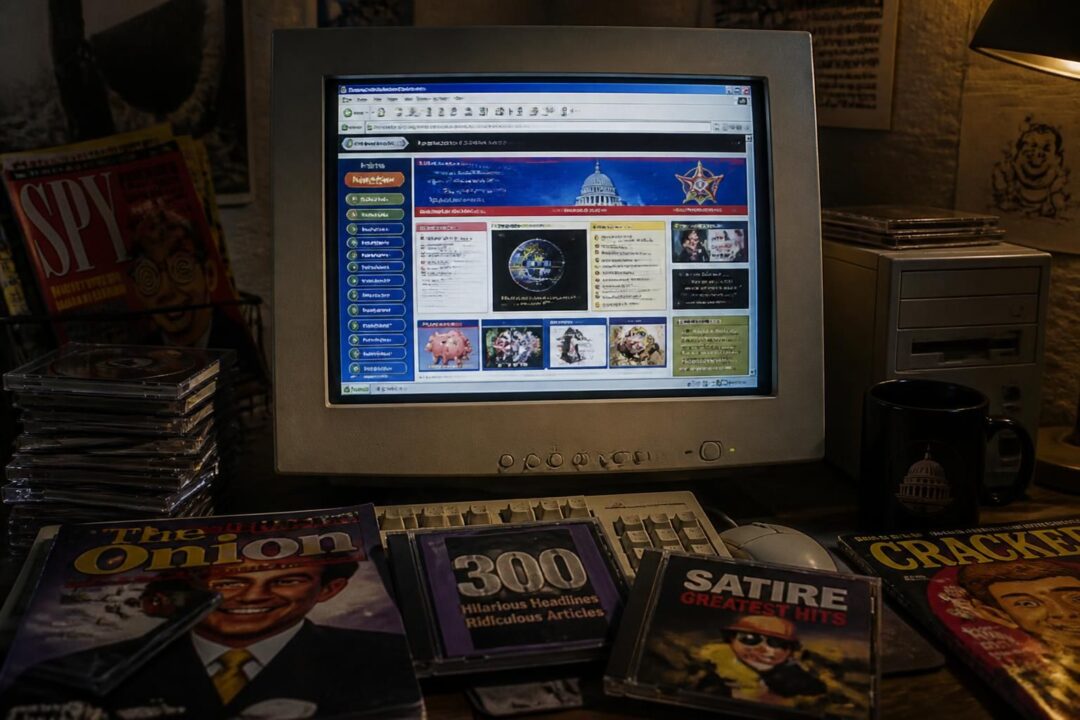
- ZardozZ functioned as a sharp-edged Satire Portal that mixed News, parody, and link-driven discovery.
- Its lasting value now sits in the idea of an Online Archive: keeping context, not just pages.
- Tools like the Wayback Machine and related Internet Archive collections help reconstruct defunct sites and their surrounding Media ecosystem.
- 2000s-style web design choices (sidebars, blogrolls, badges) shaped how readers consumed Humor and Social Commentary.
- Preserving satire requires extra care, because tone can flip when headlines age and norms change.
- A practical workflow can capture the “what,” the “when,” and the “why” behind posts, redirects, and missing assets.
In the 2000s, the web rewarded people who could curate: not only writing, but also selecting, framing, and connecting the day’s most volatile stories. A portal like ZardozZ sat in that current, collecting political Satire, cultural jabs, and blunt Humor while pointing readers outward through blogroll-style navigation. The experience was part newsroom, part comedy club, and part link directory. However, what made the portal feel alive then—fresh updates, topical riffs, and a constant sense of “right now”—also made it fragile later, because time breaks URLs, platforms change, and hosting bills stop getting paid.
That fragility is why the modern conversation centers on Archive work, not nostalgia alone. An Online Archive does more than store HTML; it also preserves a reading pattern that has largely vanished under feeds and recommendation engines. Moreover, satire needs its original context to land properly. A joke that relied on a headline, a policy debate, or a celebrity scandal can read like nonsense once the surrounding Media landscape disappears. The ZardozZ story, therefore, becomes a practical case study: how to find what remains, how to interpret it fairly, and how to keep the sharp edges without losing the historical record.
ZardozZ Satire Archive and the 2000s Satire Portal Ecosystem
A 2000s Satire Portal rarely acted like a single-author blog. Instead, it behaved like a switchboard for attention. ZardozZ fit that model by combining original posts, curated links, and a recognizable tone that invited repeat visits. Consequently, the site’s value came from structure as much as content: categories, sidebars, and outbound references that mapped a wider scene of snarky commentary.
Why portals mattered before social feeds took over
Before algorithmic timelines became dominant, readers often navigated by habit. They opened a browser, hit bookmarks, and hopped site to site. Therefore, a portal’s front page acted like a daily dashboard, mixing News with punchlines and quick takes. That format also encouraged “serial reading,” because the reader could track a topic across multiple sources in one sitting.
In addition, portals built trust through consistency. A reader learned the site’s voice, then used that voice as a filter for the day’s chaos. When the portal linked to outside pieces, it also signaled endorsement or critique with a short, pointed intro. As a result, the portal became an informal editor for a niche audience that wanted both information and stress relief.
Satire as a form of social diagnostics
Satire works when it reveals a mismatch between what people say and what they do. In that sense, a ZardozZ-style post did not just mock a politician or a trend. Instead, it highlighted the underlying contradiction, then let readers connect the dots. However, that same mechanism means satire can “expire” faster than standard reporting, because the contradiction may fade or flip as norms evolve.
For example, a recurring 2000s theme involved workplace stress and domestic overload. One widely circulated satirical monologue from that era framed a harried American parent’s day as a chain of errands, meetings, and interruptions, with a deliberately outrageous focus on stolen moments of “me time.” The point was not literal instruction. Rather, it used shock and exaggeration to underline how consumer culture sells self-care while schedules eliminate it. Moreover, that kind of material illustrates a key archival challenge: without context, readers can mistake a grotesque exaggeration for a sincere confession.
Key traits that define the ZardozZ-style portal
Although each site had its own quirks, a recognizable pattern emerged across the blogosphere. ZardozZ aligned with that pattern by mixing discovery, editorial attitude, and community signaling. Even so, the details matter when you later attempt an Archive reconstruction.
- Curated outbound links that pointed to other satire blogs, political commentary, and niche forums.
- Short framing blurbs that set tone quickly, often with a punchline or a skeptical question.
- Badges or network labels that suggested affiliation, such as download networks or topical rings.
- Sectioned navigation where “News,” “Humor,” and downloads could sit side by side.
- Serial topicality in which posts assumed you remembered yesterday’s headline.
Those traits make ZardozZ useful as a snapshot of how readers once processed Media. That snapshot, in turn, sets up the next question: what can still be recovered today, and how?
Rebuilding a ZardozZ News and Satire Archive with Wayback-Style Tools
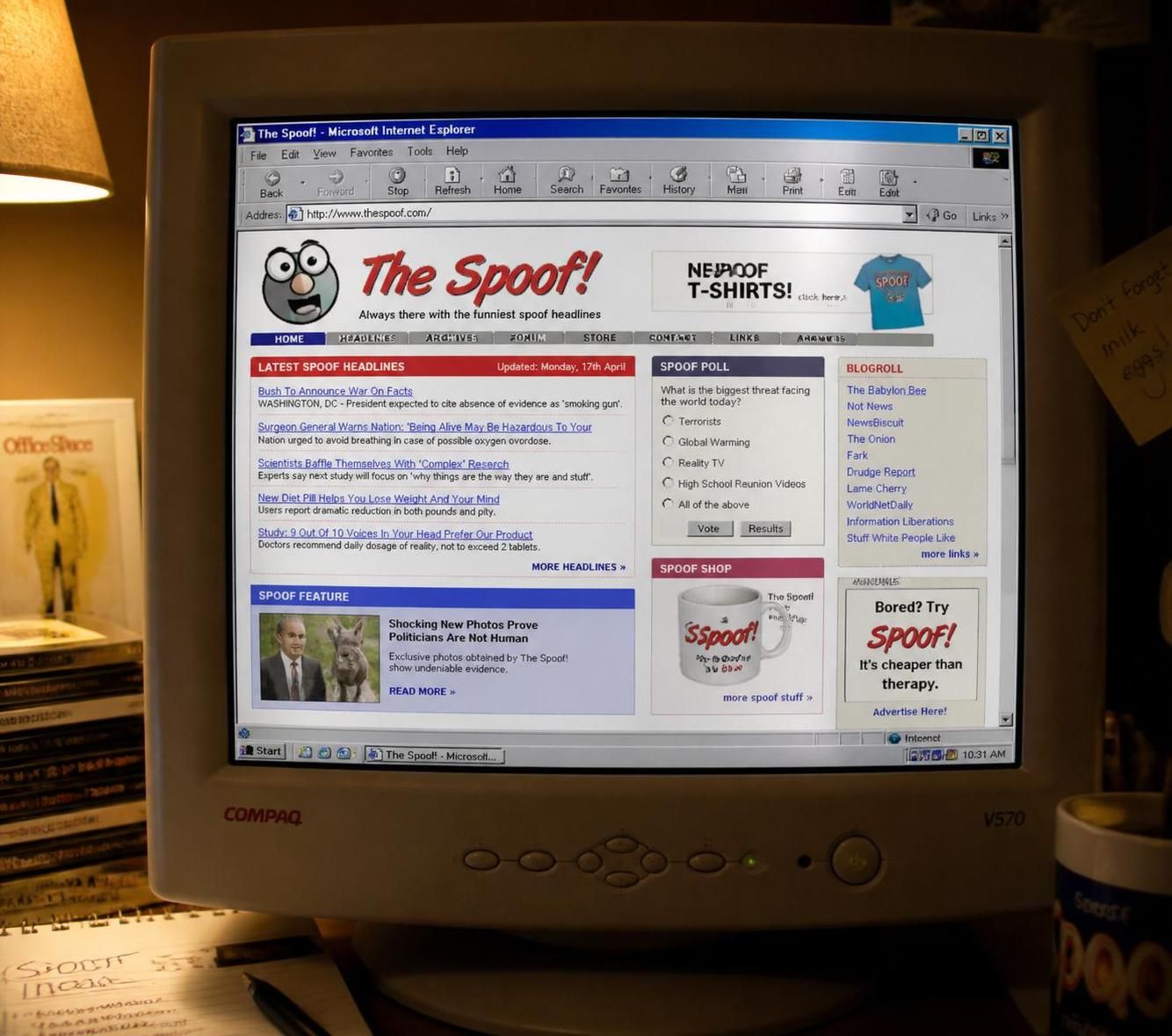
Archiving an extinct portal often feels like PC troubleshooting: the symptoms show up as broken images, missing stylesheets, and dead links. Therefore, a smart workflow starts by separating what you can capture from what you must infer. The Wayback Machine, operated by the Internet Archive, remains the primary tool for retrieving old snapshots. Yet it rarely provides a complete picture in one click, because crawlers miss assets, robots rules block captures, and domains change hands.
A practical recovery workflow you can follow
First, locate the most stable entry points. Homepages and index pages tend to be archived more often than deep links. Next, follow internal navigation to identify “content clusters” such as recurring series, tag pages, or download sections. Consequently, you can build a map of the site, even when individual pages fail to load fully.
Then, check for alternate captures across time. A 2006 snapshot may miss images that a 2007 snapshot includes, because a crawler’s behavior changed. Likewise, a later capture might include simplified HTML after a redesign. By comparing snapshots, you can reconstruct the intended layout more accurately.
Understanding gaps: missing assets, redirects, and embedded media
When you view an archived page, the HTML may load while the styling fails. That problem often comes from missing CSS files or blocked directories. However, an Online Archive approach does not stop at “page loads.” It asks whether the page reads the way it originally read. A satire headline in plain text can lose punch if spacing, emphasis, or visual cues vanish.
Redirects also complicate the story. Domains get resold, and old URLs may later point to unrelated content. Therefore, it helps to verify that a snapshot date matches the era you are researching. In addition, embedded media—Flash, early video players, or external widgets—often fails entirely, so the archive may only preserve placeholders. That failure changes how you interpret audience experience, because many readers relied on those embeds for context.
Using Internet Archive collections and metadata hints
Beyond standard web captures, the Internet Archive sometimes hosts related collections or bulk items connected to a site’s footprint. Metadata files can reveal directory names, timestamps, and file sizes. Consequently, even if you cannot retrieve a missing page directly, you can learn what existed and when it was last modified. That kind of “forensic browsing” resembles checking file tables during data recovery on a PC.
| Artifact type | What it tells you | Common failure mode | Best workaround |
|---|---|---|---|
| Homepage snapshots | Site identity, navigation, featured topics | Images/CSS missing | Compare multiple dates; manually fetch asset URLs |
| Section indexes (e.g., News, downloads) | Content clusters and publishing rhythm | Pagination breaks | Use URL patterns; try adjacent months |
| Metadata listings | File names, structure, modification times | Not publicly linked | Search within archive item details; cross-reference paths |
| Outbound links | Network context and influences | Targets disappear | Archive the linked pages too; store citation notes |
Once you can reliably retrieve pages, the next task involves interpretation: how to read satire from a different era without flattening its meaning.
Reading ZardozZ Satire as Media History and Social Commentary
Satire from the 2000s often reads like a time capsule of anxieties: war debates, cable-news outrage cycles, corporate buzzwords, and the early churn of online identity. ZardozZ, as a Satire Portal, gathered those anxieties into a scrollable format. However, to understand the jokes, you need to treat them as reactions to specific signals in Media, not as timeless one-liners.
Context stacking: the hidden ingredient in web humor
A typical satirical post assumed you had already seen the original headline. Therefore, the punchline carried less exposition than a modern explainer would. In addition, portals frequently referenced other blogs, which created a layered conversation. If you only recover one page, you may miss the call-and-response that made it funny.
One effective method involves “context stacking.” First, capture the satire post. Next, capture the linked article it riffs on. Then, capture one or two related stories from the same week. As a result, you rebuild the cognitive environment that the original reader inhabited, which makes both the joke and the critique clearer.
Case study: the overloaded-parent satire and why it circulates
The notorious monologue about an overworked American mom, attributed in circulation to a satirical author, uses extreme sexual imagery to shock the reader into noticing the gap between cultural expectations and lived reality. Nevertheless, the deeper mechanism is structural: the character’s calendar has no slack. The joke keeps escalating, yet each escalation points back to the same constraint—time scarcity under constant responsibility.
That piece also demonstrates why archiving satire demands labeling and framing. Without a clear signal that it is parody, a casual reader can misread it as personal testimony. Consequently, an ethical archive description should note that it is satirical content, mention its circulation context, and record any attribution that traveled with it. This does not sanitize the material. Instead, it preserves the intent while reducing the risk of harmful misinterpretation.
What ZardozZ reveals about the 2000s web audience
Portals thrived on repeat visitors who wanted a familiar editorial “filter.” On one hand, that created community identity. On the other hand, it could harden assumptions, because satire often rewards in-group knowledge. Moreover, many portals blurred the line between commentary and aggregation, which foreshadowed later debates about credibility and virality.
If you are studying digital culture, ZardozZ helps illustrate how Social Commentary traveled before modern social networks standardized sharing. The portal acted like a hub, and the audience acted like a relay, passing links through email, forums, and early social bookmarking. That distribution model, therefore, becomes part of the content’s meaning.
After interpretation comes preservation strategy, because a page you can view today may still vanish tomorrow due to policy shifts or link decay.
Preservation Tactics for a ZardozZ Online Archive: From Screenshots to Structured Notes
Saving a single HTML page rarely produces a durable Archive. Instead, you need redundancy, provenance, and a way to store context. Therefore, the best approach looks less like casual bookmarking and more like disciplined recordkeeping. The goal is not to hoard content. Rather, it is to preserve meaning, including the circumstances that made a post land as Humor or critique.
Build a “minimum viable record” for each recovered page
When you locate an archived ZardozZ page, capture a small set of supporting details. For instance, record the snapshot URL, capture date, and any visible publication date. In addition, note what assets fail to load. Those notes matter later, because missing images can change tone, and broken formatting can hide emphasis.
Moreover, add a short “what this is reacting to” note with links to the referenced headline or event. This keeps the satire tethered to its target. Consequently, a future reader can evaluate the fairness of the joke and the accuracy of the implied critique.
Local copies, citations, and respecting boundaries
Many researchers create local folders of HTML, PDFs, and screenshots. However, local copies can drift from the original context if filenames lack dates and sources. Therefore, adopt a naming convention like domain_section_YYYY-MM-DD_snapshot. Also, store citations alongside the files, not in a separate system that can break.
Respect legal and ethical boundaries as well. Satire often quotes or remixes other work. Consequently, an archive should credit sources, preserve attribution, and avoid presenting redistributed content as original reporting. If a piece includes sensitive language, include a content note in the metadata rather than altering the text.
A lightweight toolkit that fits real life
You do not need enterprise software to do careful preservation. A spreadsheet, a folder structure, and a repeatable routine can carry most projects. Furthermore, browser tools can save complete pages, while PDF printers can capture readable snapshots for later annotation. If you want resilience, add a second copy in a cloud drive and a third on an external SSD. That three-copy habit mirrors good backup practice in PC maintenance.
Ultimately, a well-kept Online Archive makes ZardozZ usable for researchers, journalists, and curious readers. The final layer involves answering common “how do I find it?” questions without turning the process into guesswork.
Finding ZardozZ Today: Search Patterns, Verification, and Responsible Rediscovery
Searching for an old portal requires patience and a skeptical eye. Domain names reappear, mirrors pop up, and scraped copies may mix eras. Therefore, verification should be part of the routine, not an afterthought. The best method combines targeted search queries, snapshot comparison, and cross-checking against other sites that once linked to the portal.
Search patterns that produce cleaner leads
Start with specific phrases that likely appeared on the site, such as “ZardozZ News and Satire” or “OpenWeb” references, if those labels circulated. Moreover, try searching for unique post titles or repeating taglines. Quoted search strings can reduce noise significantly.
Next, use the Internet Archive’s domain lookup to list capture timelines. Consequently, you can see active periods at a glance and avoid later, unrelated captures. If you find a promising snapshot, verify it by checking internal links and the site’s navigation consistency.
How to spot unreliable mirrors and “Frankenstein” copies
Some pages on the modern web stitch together archived fragments with new ads or altered layouts. However, those mirrors can introduce subtle changes that distort meaning, especially with satire. Therefore, prefer primary snapshots from recognized archival services. Also, check page source dates, CSS references, and image hostnames. When those elements point to modern ad networks, treat the page as compromised.
When rediscovery becomes republishing
Sharing an old satire link can feel harmless. Nevertheless, satire can hit differently after cultural shifts, and a resurfaced joke can cause harm if stripped of context. Therefore, when you share ZardozZ material, include the archive date, a short context line, and a clear label that it is satire. That small practice preserves historical value while reducing misreadings.
With those guardrails, you can explore the ZardozZ footprint as a meaningful slice of 2000s Media culture. The remaining questions tend to be practical, so the following answers focus on repeatable steps.
How can a reader confirm a ZardozZ page is authentic in an Online Archive?
Use the Internet Archive snapshot URL, then compare at least two capture dates for consistent navigation and styling. In addition, verify internal links point to the same domain and era, and cross-check with third-party references that linked to ZardozZ at the time.
Why do archived satire pages sometimes look broken or unreadable?
Archived pages often miss CSS, images, or embedded media because crawlers did not capture every asset. Therefore, the HTML may load without the visual cues that carried tone. Trying adjacent snapshot dates and manually opening asset URLs often improves fidelity.
What is the safest way to cite ZardozZ News and Satire material in research?
Cite the archived snapshot link, include the capture date, and note that the content is Satire. Moreover, preserve the surrounding context by citing the linked news item or event the post responds to, which strengthens accuracy for readers who were not there.
How should sensitive or explicit satirical content be handled in an archive?
Do not rewrite the content, because that alters the historical record. Instead, add clear labels in metadata, keep attribution intact, and provide context about intent and circulation. Consequently, readers can understand it as humor and social commentary rather than literal testimony.

With over two decades of experience, I specialize in reviewing consumer software and troubleshooting PC issues. At 52, I combine deep industry knowledge with a passion for helping users get the most out of their technology.